


Palm Oil vs Soybean Oil: What's the Difference?


Choosing the right cooking oil can make a significant difference in your cooking results. Among the most popular options, palm oil and soybean oil are widely used in households, restaurants, and food businesses around the world. But what exactly is the difference between them?
In this guide, we'll compare palm oil vs soybean oil, including their characteristics, cooking performance, nutritional profile, and the best uses for each, helping you choose the right oil for your everyday cooking.
What Is Palm Oil?
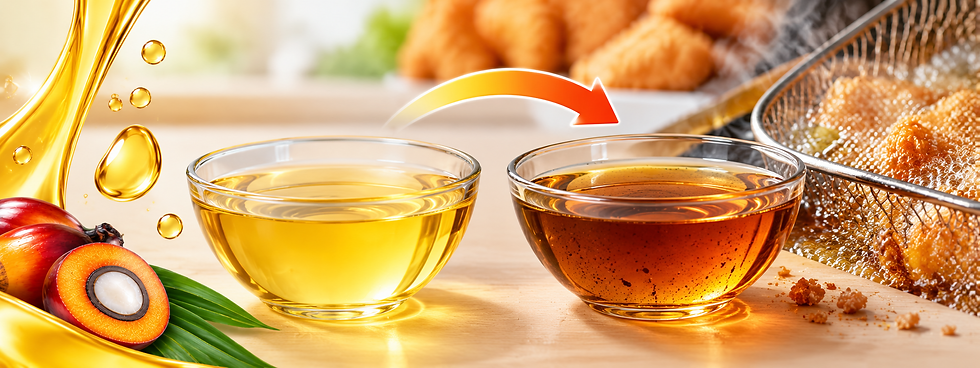
Palm oil is extracted from the fruit of the oil palm tree (Elaeis guineensis). Refined palm oil is commonly used for frying due to its excellent heat stability, neutral flavor, and long frying life.
Benefits of Palm Oil
High heat stability
Suitable for deep-frying and stir-frying
Neutral taste that complements many dishes
Less prone to breaking down at high temperatures
Widely used in commercial kitchens and food production
Palm oil is often chosen for recipes that require consistent frying performance and crispy results.
What Is Soybean Oil?
Soybean oil is produced from soybeans and is one of the most commonly used vegetable oils worldwide. Its light flavor makes it a versatile choice for a wide variety of recipes.
Benefits of Soybean Oil
Light, neutral flavour
Suitable for stir-frying, sautéing, baking, and salad dressings
Blends well with different ingredients
Rich in naturally occurring unsaturated fats
Soybean oil is a popular choice for everyday home cooking because it complements many different cuisines.
Feature | Palm Olein | Soybean Oil |
Source | Oil Palm Fruit | Soybeans |
Flavor | Mild and neutral | Light and neutral |
Best Uses | Deep-frying, stir-frying | Stir-frying, baking, salads |
Heat Stability | Excellent | Good |
Frying Performance | Excellent for repeated frying | Suitable for general cooking |
Appearance | Golden yellow | Light golden |
Both oils perform well in the kitchen, but the best choice depends on your cooking style and recipe.
Which Oil Is Better for Frying?
If you frequently prepare fried foods such as fried chicken, spring rolls, or crispy seafood, refined palm oil is an excellent choice because it performs well at high temperatures and helps maintain consistent frying quality.
For lighter cooking methods such as stir-frying or recipes where a mild flavour is preferred, soybean oil is also an excellent option.
Can Palm Oil and Soybean Oil Be Used Every Day?
Yes. Both refined palm oil and soybean oil are commonly used for everyday cooking around the world. The most important factors are using high-quality refined cooking oil, cooking at the appropriate temperature, and storing the oil properly after opening.
Tips for Choosing the Right Cooking Oil
When selecting a cooking oil, consider:
Your preferred cooking method
Heat stability
Flavour compatibility with your dishes
Product quality
Proper storage after opening
Choosing a quality cooking oil helps deliver consistent cooking results and enhances the overall cooking experience.
Conclusion
When comparing palm oil vs soybean oil, there is no single "best" choice for every recipe. Both oils offer unique advantages depending on how you cook.
If you regularly prepare deep-fried dishes, refined palm oil is an excellent option thanks to its high heat stability and frying performance. For versatile everyday cooking with a light flavour, soybean oil is another reliable choice.
Whatever your preference, choosing a high-quality refined vegetable oil can help you create delicious meals with confidence every day.


Comments